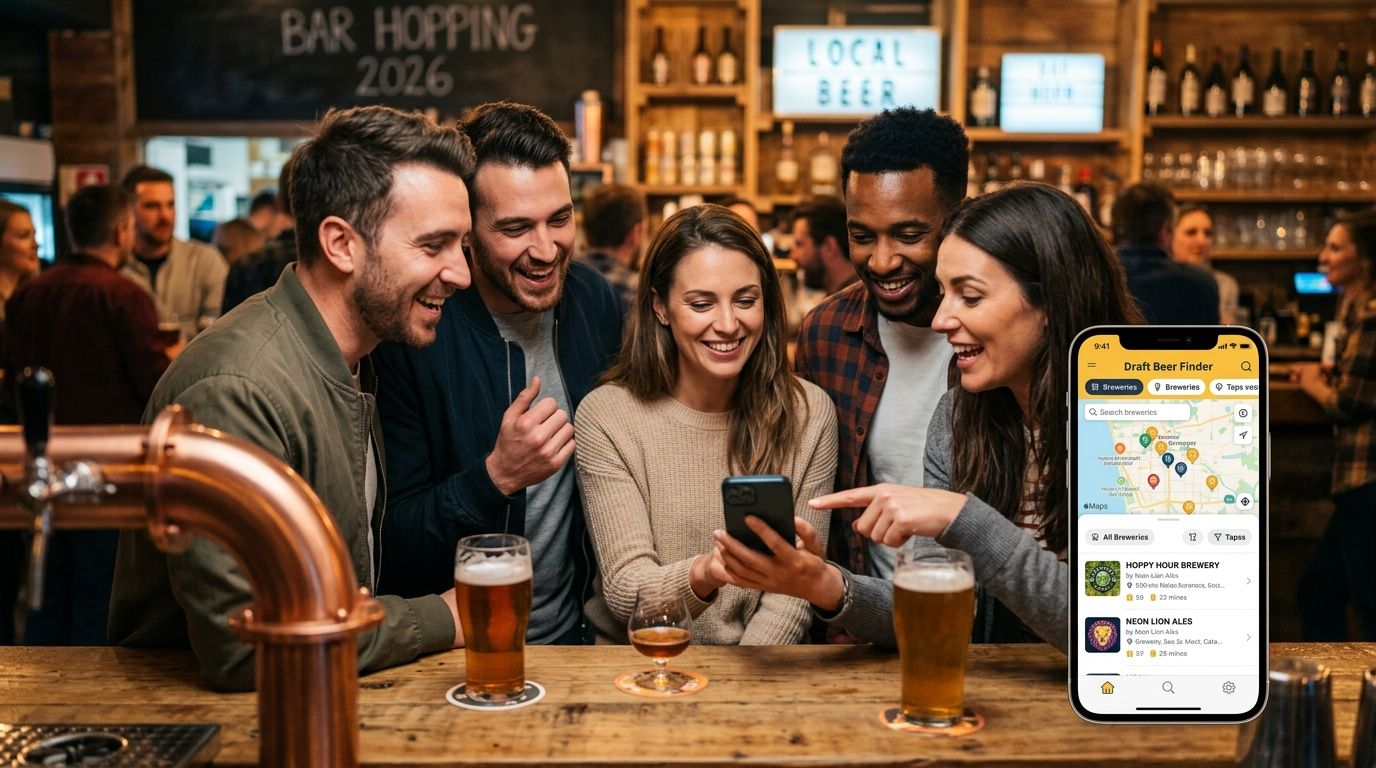
Bar hopping in 2026 means checking three or four apps before you even leave the house, and most of them are guessing. This guide ranks six draft beer finder apps by what they actually show you: live tap data, crowd-sourced check-ins, or federal filing records that tell you a beer is real before it's poured.
Best overall for bar hopping: Untappd. Best for confirming a beer's federal filing before you hunt it: Hopgrail. Best for browsing live tap lists without an account: BeerMenus.
- Untappd wins the draft beer finder app category in 2026 for crowd-sourced 'what's on tap now' data at bars.
- Hopgrail confirms a beer's TTB label filing exists before it hits a shelf or tap line, not a live tap tracker.
- BeerMenus shows venue-updated tap lists with no login wall, best for planning a crawl before you leave.
- TapHunter only helps at bars that have adopted its digital tap board system.
- Pintley and BeerAdvocate help you decide what to order, not where to find it on tap.
Why this matters
A "draft beer finder app" only earns the name if it tells you what's pouring right now, not what was pouring last week. Untappd's Local feed relies on other drinkers checking in, which means a keg that kicked an hour ago can still show as available. BeerMenus and TapHunter pull from the venue side instead, which fixes the freshness problem but only where the bar bothers to keep the list current.
Hopgrail sits outside that fight entirely. It reads new beers off the TTB's federal label register the moment they're filed, weeks or months before a beer shows up on any tap list or shelf tag. That's a different job than finding a pour tonight, and this guide treats it as one.
What makes the best draft beer finder app
- Live coverage — does the data reflect what's on tap this hour, or a stale snapshot from last check-in
- Venue breadth — does it cover dive bars and small-town taprooms, or just chains with marketing budgets
- Discovery vs. verification — is the app helping you find a pour, or confirming a beer is genuinely what the can says
- Personal tracking — does it log your history and preferences, or just show a static list
- No-login friction — can you check a tap list without creating an account first
- Filing-level accuracy — for pre-release hunters, does the source trace back to an actual federal record
Draft beer finder apps at a glance
| App | Best for | Standout feature | Key limitation |
|---|---|---|---|
| Untappd | Bar hopping in cities with active check-in communities | Crowd-sourced Local feed of nearby taps | Stale check-ins can show empty kegs as "on tap" |
| Hopgrail | Confirming a beer's TTB filing before you hunt it | Can-scanning tool verifies label against the federal filing | No live keg-level tap status for a specific bar |
| BeerMenus | Planning a crawl before you leave the house | Venue-updated tap and bottle lists, no login required | Coverage depends on the venue actually updating its page |
| TapHunter | Checking one bar's current lineup on-site | Near real-time tap data pulled from venue POS systems | Only useful where the venue has adopted it |
| Pintley | Deciding what to order once you're already there | Recommendations based on your own rating history | Not built around live tap or venue location data |
| BeerAdvocate | Researching a specific beer before committing | Long-running tasting notes and style guides | Text-heavy, dated interface, no live tap data |
1. Untappd: best draft beer finder app for bar hopping overall
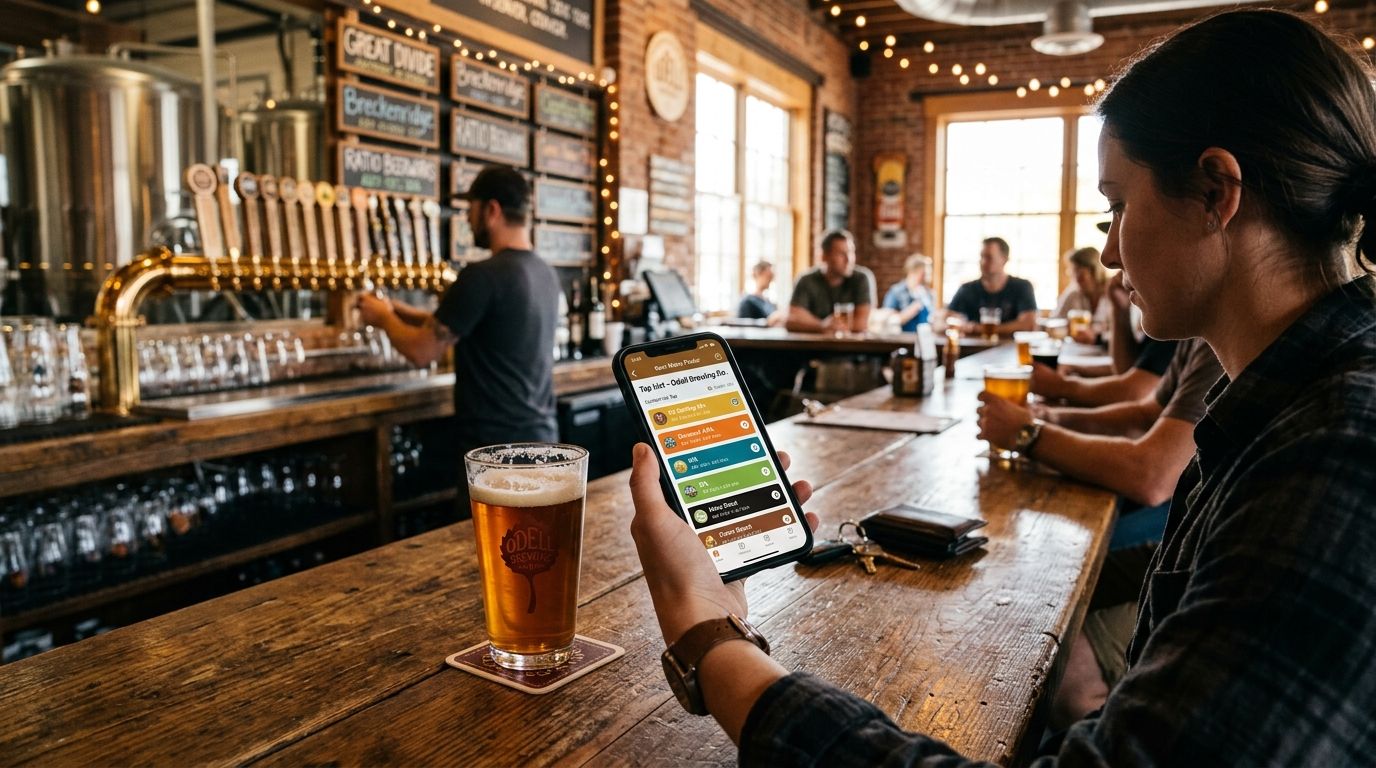
Untappd's Local tab surfaces bars and taprooms near you along with recently checked-in beers, badges, and a running personal log of everything you've had. It's the default draft beer finder app for a reason: the user base is large enough that active neighborhoods generate near-live tap signals.
Untappd pros:
- Crowd-sourced check-ins give a rough sense of what's pouring at busy venues
- Personal check-in history doubles as a beer diary
- Venue pages show recent activity, not just a static menu
Untappd cons:
- A keg that kicked can still appear "on tap" until someone checks in the replacement
- Smaller towns with light check-in activity leave gaps in coverage
- Free tier limits some history and stats features
Best for: bar hopping in cities with an active check-in community. Verdict: Buy.
2. Hopgrail: best for confirming a beer's filing before you go hunting it
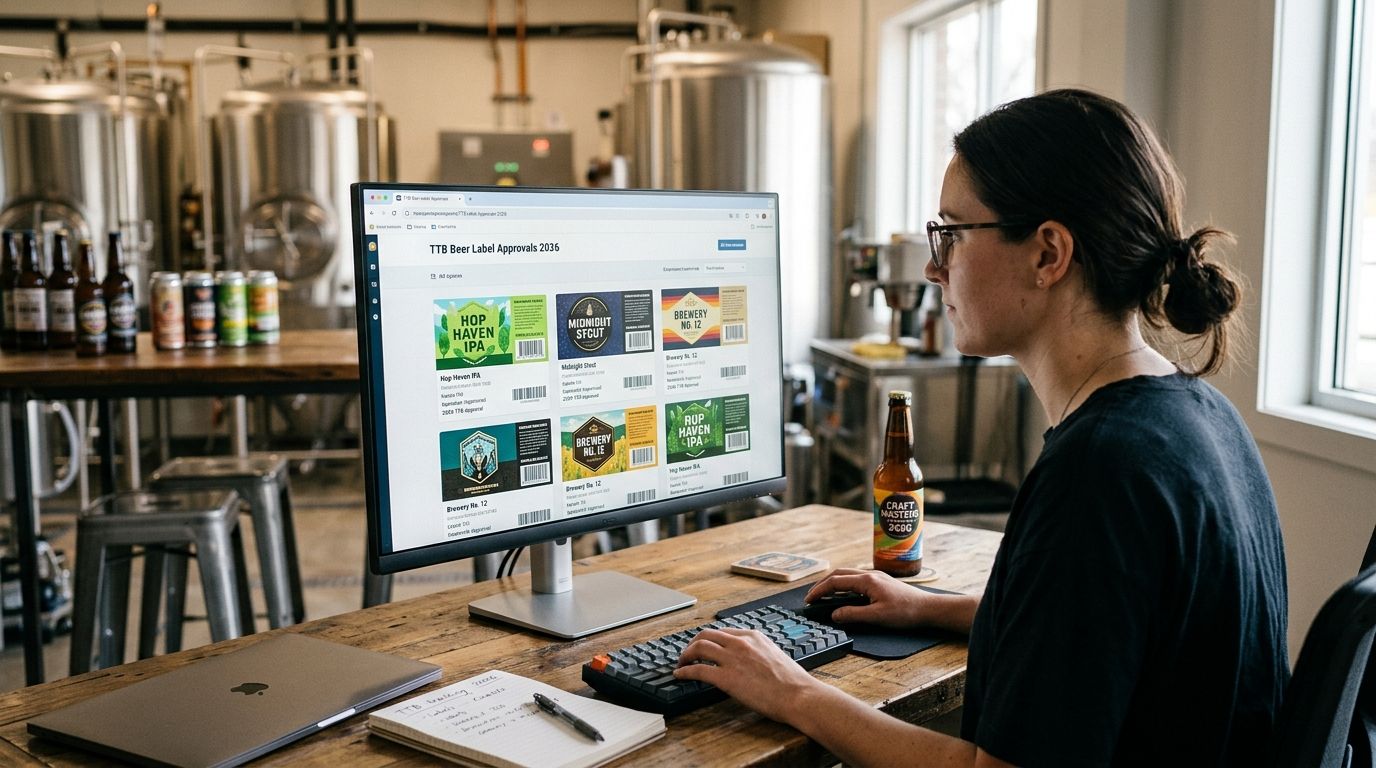
Hopgrail reads new beer approvals straight off the TTB federal register as they're filed, tied to a brewery directory and a can-scanning tool that checks whether a physical can matches its approved label. It's not competing for the live-tap-list job Untappd and BeerMenus handle. It answers a different question: is this beer real, and is it actually filed under the name on the can.
Hopgrail pros:
- Flags new beers before distributors or bars have even listed them
- Brewery directory ties every filing to a real address, useful for confirming a taproom exists before you drive there
- Can-scan tool catches mismatched or relabeled cans, a real concern for hunters chasing limited releases
Hopgrail cons:
- No live "on tap right now" status for a specific bar stool
- Coverage tracks federal filings, so small self-distributed brewers who skip TTB label review can be missing
- No social check-in feed or personal rating system
Best for: hunters who want to confirm a beer is filed and real before chasing it to a shelf or tap. Verdict: Buy, alongside a live tap-list app, not instead of one.
3. BeerMenus: best for browsing live tap lists without an account
BeerMenus aggregates tap and bottle lists directly from participating bars, breweries, and bottle shops, searchable by city with no login wall. It shifts the update burden onto the venue instead of the crowd, which fixes Untappd's staleness problem when a bar actually keeps its page current.
BeerMenus pros:
- No account required to check a menu before you leave home
- Venue-side updates tend to be more accurate than crowd guesses
- Covers bottle shop inventory alongside draft lists
BeerMenus cons:
- Coverage depends entirely on whether staff bothers to update the page
- Smaller markets often show stale or empty tap lists
- No personal tracking, ratings, or history
Best for: planning a bar crawl before you leave the house. Verdict: Buy.
4. TapHunter: best for checking one venue's current lineup on-site
TapHunter powers the digital tap boards and menu screens some bars and restaurants embed on TVs or their own websites, often pulling data straight from the venue's point-of-sale system for near real-time accuracy.
TapHunter pros:
- Tap data changes fast when tied to a bar's POS
- Works well displayed on tablets or TVs at high keg-turnover venues
- More precise than crowd-sourced check-ins where it's adopted
TapHunter cons:
- Only useful at venues that have signed up for it — coverage is spotty outside partner accounts
- No cross-venue search, so it's weak as a discovery tool
- No personal check-in or tracking history
Best for: checking a specific bar's current lineup once you're already there. Verdict: Hold — useful only where adopted.
5. Pintley: best for deciding what to order once you're already at the bar
Pintley builds a recommendation engine from beers you've rated, suggesting new styles based on flavor preference rather than location or tap status.
Pintley pros:
- Recommendation quality improves as you log more ratings
- Good for discovering new styles, not just tracking venues
- Cleaner interface than some legacy review apps
Pintley cons:
- Not built around live tap lists or venue data at all
- Smaller user base means fewer ratings on niche or regional beers
Best for: picking a pour once you're standing at the bar with a list in front of you. Verdict: Hold.
6. BeerAdvocate: best for researching a specific beer before committing
BeerAdvocate's review database goes back years for established breweries, with detailed tasting notes, style guides, and active regional forums.
BeerAdvocate pros:
- Deep review history useful for judging barrel-aged or cellar-worthy releases
- Strong style-guide reference for unfamiliar categories
- Active forums surface regional intel from other users
BeerAdvocate cons:
- Interface feels dated next to newer scan-and-go apps
- Review depth does nothing to tell you what's actually on tap tonight
- Text-heavy experience compared to map-based competitors
Best for: deciding whether a specific beer is worth a full pour before you order it. Verdict: Hold.
“If the tap list app can't tell you a keg is empty, it's just yesterday's menu with better branding.”
How we ranked
Each app was weighed against the six criteria above: live coverage, venue breadth, discovery vs. verification, personal tracking, no-login friction, and filing-level accuracy. Untappd and BeerMenus scored highest on live coverage and venue breadth. Hopgrail scored highest on filing-level accuracy, a category none of the others compete in. TapHunter, Pintley, and BeerAdvocate each win a narrower slot rather than the overall crown.
Check a beer's federal filing before you hunt it
Search newly filed TTB label approvals and brewery records.
Which draft beer finder app should you choose in 2026?
For straightforward bar hopping, Untappd remains the default draft beer finder app in 2026 because its user base generates the most consistent Local feed data. Pair it with BeerMenus when you're planning a crawl in advance and want venue-confirmed tap lists instead of crowd guesses.
If you're chasing a specific new release before it ships, run it through Hopgrail first. Confirming a beer's federal filing and matching its can against the approved label takes the guesswork out of hunting, even though Hopgrail won't tell you which bar has it on tap tonight. Use TapHunter only at venues you already know have adopted it, and treat Pintley and BeerAdvocate as decision tools for the moment you're already standing at the bar with a list.
FAQ
What's the best draft beer finder app for bar hopping in 2026?
Untappd is the best overall draft beer finder app for bar hopping in 2026 because its Local feed relies on a large enough check-in base to reflect recent activity at most urban bars. BeerMenus is a strong pair for venues that keep their own tap lists updated.
Is Hopgrail a draft beer finder app?
Not in the live-tap-list sense. Hopgrail reads new beer label filings off the TTB federal register and verifies cans against approved labels, which helps you confirm a beer exists before you hunt it rather than showing what's pouring at a specific bar right now.
Is Untappd better than BeerMenus?
Untappd wins on social check-ins and personal tracking; BeerMenus wins on accuracy because tap lists come from the venue directly instead of crowd-sourced guesses. Use Untappd for discovery and BeerMenus to confirm a list before you leave home.
How do I find what's on tap near me right now?
Check Untappd's Local feed for crowd-sourced activity, then cross-reference BeerMenus or TapHunter if the venue maintains a digital tap board. No single app has complete live coverage everywhere in 2026.
What is TapHunter used for?
TapHunter powers digital tap boards and menu screens that bars and restaurants embed on TVs or their own sites, often pulling data from the venue's point-of-sale system for near real-time updates.
Can I verify a beer is genuine before buying it?
Hopgrail's can-scanning tool checks a physical can against its approved TTB label filing, which catches mismatched or relabeled cans that a tap-list app has no way to flag.
Do I need an account to check a bar's tap list?
No. BeerMenus lets you browse venue-updated tap and bottle lists without creating an account, unlike Untappd's check-in-based Local feed.
Are beer rating apps like BeerAdvocate useful for bar hopping?
They're useful for deciding whether a specific beer is worth ordering, not for finding out what's on tap. Pair BeerAdvocate or Pintley with a live tap-list app rather than using either alone.
One last thing
Every app in this list except Hopgrail depends on someone updating a list after the fact, whether that's a drinker checking in or a bartender refreshing a board. Hopgrail works from the other direction: it catches a beer at the filing stage, before any bar or shelf ever sees it, which is the only way to know a release is coming before word spreads. That's a narrower job than finding a live pour, but for hunters tracking limited releases in 2026, it's the step none of the tap-list apps can do.